Introduction
In times of emergency situation, the capability to execute Cardiopulmonary Resuscitation (MOUTH-TO-MOUTH RESUSCITATION) can be the distinction between life and death. In Australia, recognizing the CPR certification requirements is essential for anyone desiring to become a qualified rescuer. This extensive overview will certainly delve into what you require to understand about CPR accreditation in Australia, including training options, validity of certifications, age-specific guidelines, and more.
CPR Accreditation Demands in Australia: What You Required to Know
What is CPR?
Cardiopulmonary Resuscitation (MOUTH-TO-MOUTH RESUSCITATION) is an emergency situation treatment carried out when a person's heart quits defeating or they stop breathing. It integrates upper body compressions with rescue breaths to maintain blood circulation and oxygenation until expert medical help arrives.
Why is CPR Important?
The vital importance of CPR can not be overemphasized-- it conserves lives. According to stats from the Australian Resuscitation Council, immediate mouth-to-mouth resuscitation can increase or triple a target's possibility of survival after cardiac arrest.
Understanding mouth-to-mouth resuscitation Certification
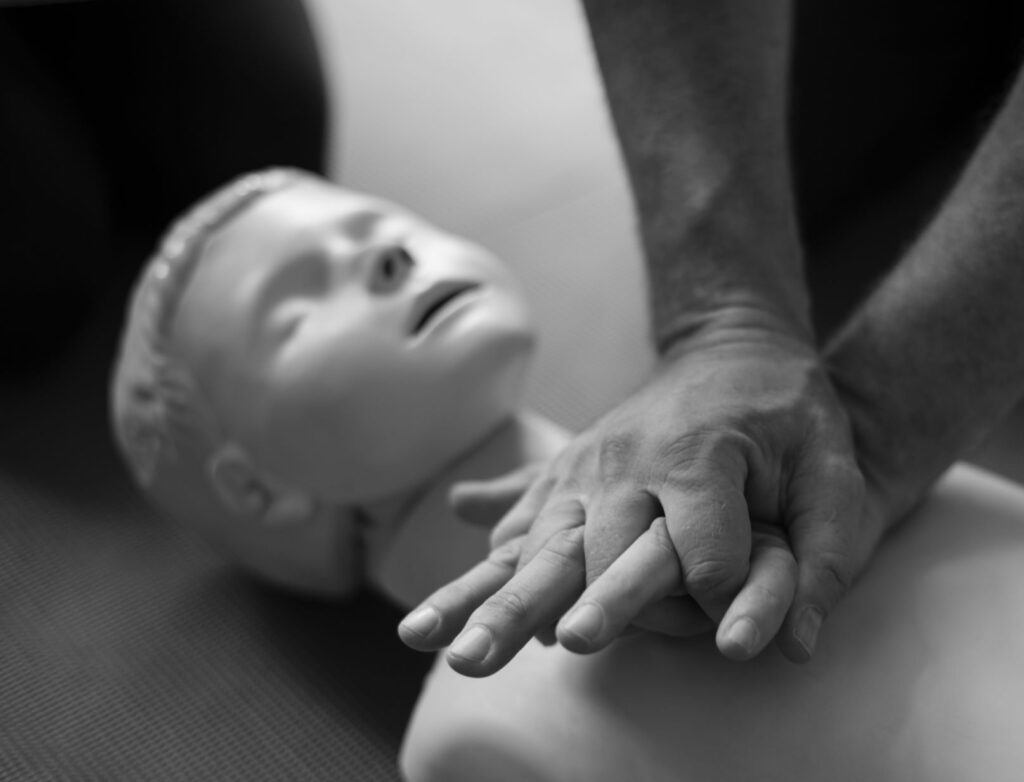
To come to be certified in mouth-to-mouth resuscitation, people should undergo training via identified companies. Certifications typically consist of hands-on abilities practice and theoretical knowledge about heart emergencies.
Types of CPR Training Available
Basic Life Support (BLS) vs. Advanced Life Assistance (ALS)
- Basic Life Support (BLS) concentrates on fundamental methods consisting of upper body compressions and rescue breaths. Advanced Life Assistance (ALS) covers much more intricate treatments such as sophisticated respiratory tract monitoring and medication administration.
Online vs. In-Person Training
- Online CPR certification offers adaptability but might do not have hands-on experience. In-person courses give useful skills method important for efficient response in emergencies.
CPR Accreditation Process
Choosing an Educating Provider
When seeking training, make certain that your chosen supplier is approved by trustworthy companies like the Australian Resuscitation Council or St John Ambulance.
Course Duration and Content
Most fundamental courses last concerning 4 hours and cover:
- Adult CPR techniques Use of Automated External Defibrillators (AED) Recognition of heart attack signs
CPR Certificate Validity
How Long Does a Mouth-to-mouth Resuscitation Certificate Last?
Typically, a CPR certificate stays legitimate for 3 years prior to needing revival. It is essential to stay updated with the most up to date protocols and guidelines.
Renewing Your Certification
Renewal frequently entails taking a correspondence course that revisits important abilities and updates attendees on any changes in guidelines.
Age-Specific mouth-to-mouth resuscitation Standards Australia
Adult vs. Child vs. Baby CPR Techniques
Different age groups need customized techniques:
- For adults, focus on compression depth and rate. For youngsters, readjust compression depth based on size. Infant CPR technique includes gentle compressions and cautious ventilation.
Infographic: Age-Specific Techniques
|Age Group|Compression Depth|Ratio|| -----------|-------------------|-------|| Adults|5-6 cm|30:2|| Kids|4-5 cm|30:2|| Infants|1.5 cm|30:2|
CPR Devices in Australia
Essential Equipment for Effective Response
Having access to correct CPR equipment aids effective resuscitation efforts:
AEDs Pocket masks GlovesUsing AED with CPR in Australia
An Automated External Defibrillator can significantly increase survival rates when made use of alongside CPR-- recognizing how to utilize an AED efficiently is essential for every rescuer.
Common Misconceptions About CPR
The Misconception of "Mouth-to-mouth Resuscitation Always Restarts Heart"
Many think that doing CPR will always restart a heart; nevertheless, this is deceptive-- CPR maintains first aid course childcare online blood circulation up until professional assistance gets here yet does not ensure revival.
Debunking Various other Misconceptions
Other misconceptions include misunderstanding compression depth or the efficiency of rescue breaths versus hands-only methods; education and learning plays a crucial function in dispelling these falsehoods.
Special Situations in Carrying out CPR
CPR for Drowning Victims
Drowning sufferers usually call for instant rescue breaths due to their unique conditions; recognizing this context improves results significantly.
Sports-Related Heart attack Procedures
Recognizing indications particular to professional athletes assists responders act promptly-- education pertaining to sports-related heart events is important for trainers and instructors alike.
Workplace Emergency Plans
Establishing Preparedness at Workplaces
Every office should have a thorough emergency situation strategy that consists of provision for first aid training like cpr and first aid combo courses for employees.
Training Staff members Effectively
Regular training sessions make sure personnel are prepared-- not only does this secure staff members but additionally boosts overall workplace safety and security culture.
Frequently Asked Concerns (Frequently asked questions)
Q1: Just how do I find local CPR classes?
A1: Local community centers or hospitals typically supply classes; internet sites of organizations like St John Ambulance provide listings as well.
Q2: Can I get my accreditation online?
A2: Yes! Many approved companies supply online mouth-to-mouth resuscitation certification, however ensure it consists of hands-on method aspects as well.

Q3: Is there a difference between adult and child certifications?
A3: Yes! Courses especially tailored for babies and children focus on age-specific Click to find out more strategies which vary from those educated for adults.
Q4: How commonly need to I renew my certification?
A4: Typically every 3 years; nevertheless, remaining upgraded yearly with refresher courses is very recommended provided progressing guidelines.
Q5: Are there any type of certain laws pertaining to required training?
A5: While policies might vary by state or territory, several workplaces are called for by law to have actually educated first Find out more -responders readily available on-site during working hours.

Q6: What data support the effectiveness of CPR?
A6: Research studies suggest that prompt bystander-administered mouth-to-mouth resuscitation can boost survival prices from heart attack substantially-- frequently doubling opportunities of individual healing contrasted to no treatment at all.
Conclusion
Understanding the ins and outs of the CPR accreditation needs in Australia encourages individuals across various industries-- from healthcare specialists to day-to-day citizens-- to act emphatically during emergencies. With appropriate training, recognition of age-specific guidelines, knowledge regarding devices such as AEDs, and experience with usual misconceptions bordering resuscitation initiatives, one can genuinely make a distinction when it matters most. Whether you're considering enlisting in neighborhood courses or discovering on-line options like online mouth-to-mouth resuscitation certification, remember that each step taken in the direction of ending up being licensed adds toward saving lives-- a noble quest indeed!